
Akatsi South: 314 teenage pregnancies recorded in 2025
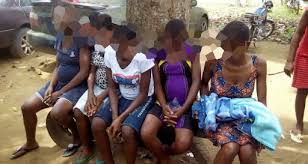
The Akatsi South Municipality has recorded 314 teenage pregnancies in 2025, surpassing the national target despite intensified efforts by health officials to reduce adolescent pregnancies.
“Sad as it may be, six girls aged 10–14 years were pregnant, and 269 teenagers delivered, of which five were between 10–14 years, all making up 12.1% against the national target of reducing below 11.5%,” Miss Justine Sefakor Alornyo, the Municipal Director of Health Services, disclosed during the 2025 health performance review at the Municipal Assembly Hall.
Under Antenatal Care (ANC), 2,594 pregnant women were registered in 2025, representing 65.9% coverage, up from 2,278 in 2024, with 58.4% coverage.
Supervised deliveries increased slightly from 1,997 in 2024 to 2,071 in 2025. All newborns received BCG, Penta, and Measles-Rubella vaccinations, a development Miss Alornyo attributed to continuous education and advocacy across the municipality.
On HIV, 151 cases were identified—108 females and 43 males. All are on treatment, including 15 pregnant women who tested positive. Eighteen exposed babies have been placed on prophylaxis.
She added that 60 tuberculosis cases were managed during the year, while investigations into six suspected measles cases, two yellow fever cases, and one Acute Flaccid Paralysis (AFP) case all tested negative.
Highlighting achievements, Miss Alornyo thanked stakeholders, particularly the Municipal Assembly, for supporting service delivery. In 2025, the Assembly provided a reliable water supply to Dzogadze and Wuxor CHPS compounds and donated essential equipment to Gui and Dzogadze CHPS.
Construction of CHPS compounds at Zuta, Ahlepedo, and Asafotsi, as well as renovation of the Wute Health Centre, is ongoing. Midwives were posted to Wuxor, Gui, Dzogadze, Akuave, and Livega CHPS facilities, while Dzogadze and Gui CHPS were officially handed over for service delivery.
The annual review assessed progress, achievements, gaps, and innovative strategies to address health challenges.
Akatsi South Municipality is served by 40 health facilities, including two hospitals (one private, one municipal), six health centres, 27 CHPS compounds, one CHAG facility, and four clinics. Despite progress, infrastructure deficits and transportation challenges remain key concerns.
Source: GNA
Comments are closed.