
Apostolic Fathers Back Mahama: Ghana’s Sex Styles Not For Sale
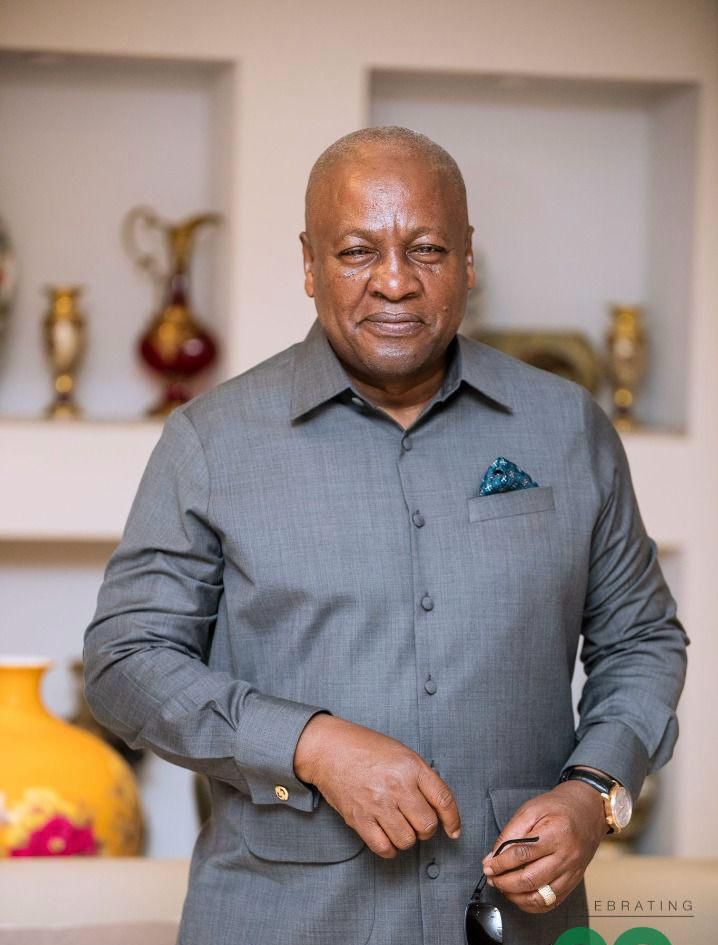
Seventeen prominent prophets, bishops, apostles, and pastors in Ghana have declared their support for President John Mahama after Lincoln University cancelled a ceremony intended to honour him. Ghana’s Embassy in the United States stated that the University withdrew the honour due to the president’s anti-LGBT stance.
In a signed declaration, the 17 priests and prophets, known as the Apostolic Fathers of Ghana, said President Mahama has proven himself a guardian of Ghanaian identity, refusing to allow national dignity and stance on sexuality and sex preferences to be compromised or coerced. They praised his “courageous” rejection of LGBTQI+ agendas.
The Apostolic Fathers added that it is not worth compromising the country’s cultural values on same-sex relations in exchange for an honorary award or any material gain.
They described the withdrawal of the honour as a “paradox,” arguing that the snub has instead elevated President Mahama’s standing among his compatriots.
The ‘Diplomatic Bounce’
The dispute began when Lincoln University in Pennsylvania reportedly withdrew its offer to grant President Mahama an honorary doctorate.
Although the University has largely remained silent on the exact reasons for the last-minute decision, Ghana’s Embassy in Washington. the Ghanaian clergy and local media have linked the move to Mr. Mahama’s support for the “Human Sexual Rights and Family Values Bill.”
The Bill, currently undergoing a contentious legislative process in Ghana’s Parliament, seeks to outlaw LGBTQ+ activism and further tighten restrictions on same-sex relationships. It has faced strong opposition from Western governments and civil rights groups, who argue that it violates fundamental human rights.
However, the Apostolic Fathers believe the University’s action is seen as an attempt by foreign entities to influence Ghana’s internal policies and cultural values.
“In what was intended to diminish honour, we see a paradox,” the statement said. “True honour is not conferred by institutions alone, but revealed when one’s convictions are tested.”
A Conflict of Ideals
The statement was signed by Bishop Dr. Gideon Titi-Ofei on behalf of the seventeen senior clergy, including Archbishop Nicholas Duncan-Williams, Archbishop Dr. Charles Agyinasare, Apostle General Sam Korankye Ankrah, Bishop Nii Apiakai Tackie-Yarboi, and Rev. Dr. Robert Ampiah-Kwofie.
The others are Bishop Victor Osei, Rev. Eastwood Anaba, Rev. Steve Mensah, Rev. Bob Asare, Bishop Gordon Kisseih, Bishop Dr. Samuel N. Mensah, Bishop Adu Gyamfi, Rev. Dr. Ebenezer Markwei, Rev. Dr. Seth Ablorh, Rev. Dr. Lawrence Tetteh, Rev. Dr. Isaac Quaye, Rev. Dr. Anyani Boadum, and Bishop Adu Gyamfi.
The clergy commended President Mahama for choosing what they described as the “narrow path of conviction,” aligned with the nation’s moral framework. They portrayed him not only as a political leader but also as a “guardian of national pride” who refused to yield to what they called “shifting foreign ideologies.”
“To the global stage, he stands as a leader who understands that true power lies not in compliance, but in clarity of purpose,” the statement added.
Christian Pentecostalism remains a major influence in Ghanaian social life, with church leaders commanding the trust of millions. Their public endorsement of President Mahama’s stance on this issue is seen as a strong signal of alignment between religious leadership and political authority.
The clergy also issued a firm warning to the international community, asserting that Ghana’s moral and social values are not subject to external control:
“Ghana remains a sovereign nation, shaped by its heritage, grounded in its cultural identity, and guided by moral principles that cannot be traded or overridden.”
This sentiment reflects a broader trend across several African countries, where traditional leaders and religious groups have increasingly resisted Western pressure on LGBTQ+ rights, often describing it as a form of “neo-colonialism.”
Political Implications
While the clergy emphasized that Mr. Mahama’s position “transcends politics,” the visible support of 17 influential religious leaders provides a significant boost to his political standing. It reinforces his image as a defender of traditional values—an appealing narrative in a deeply religious society.
However, critics warn that such rhetoric could further marginalize vulnerable groups and potentially undermine human rights. Activists in Accra have expressed concern that the alignment between religious institutions and political leadership may limit space for dissenting voices.
Past and Future
As tensions continue, the Apostolic Fathers concluded their statement with a prayer for the former president, invoking “divine duty” and “moral clarity.”“History will remember not the noise of opposition, but the strength of conviction,” they stated.
For now, the debate is far from over. What began as the withdrawal of an honorary degree in Pennsylvania has sparked a broader national conversation—one that goes beyond academic recognition to touch on the very identity and values of the nation, and the leaders who seek to shape its future.
President Mahama has yet to issue an official response to the declaration by the Apostolic Fathers.
Comments are closed.