
Cocoa Price Reduction Mid-Season Is Illegal: Afenyo-Markin Demands Reversal
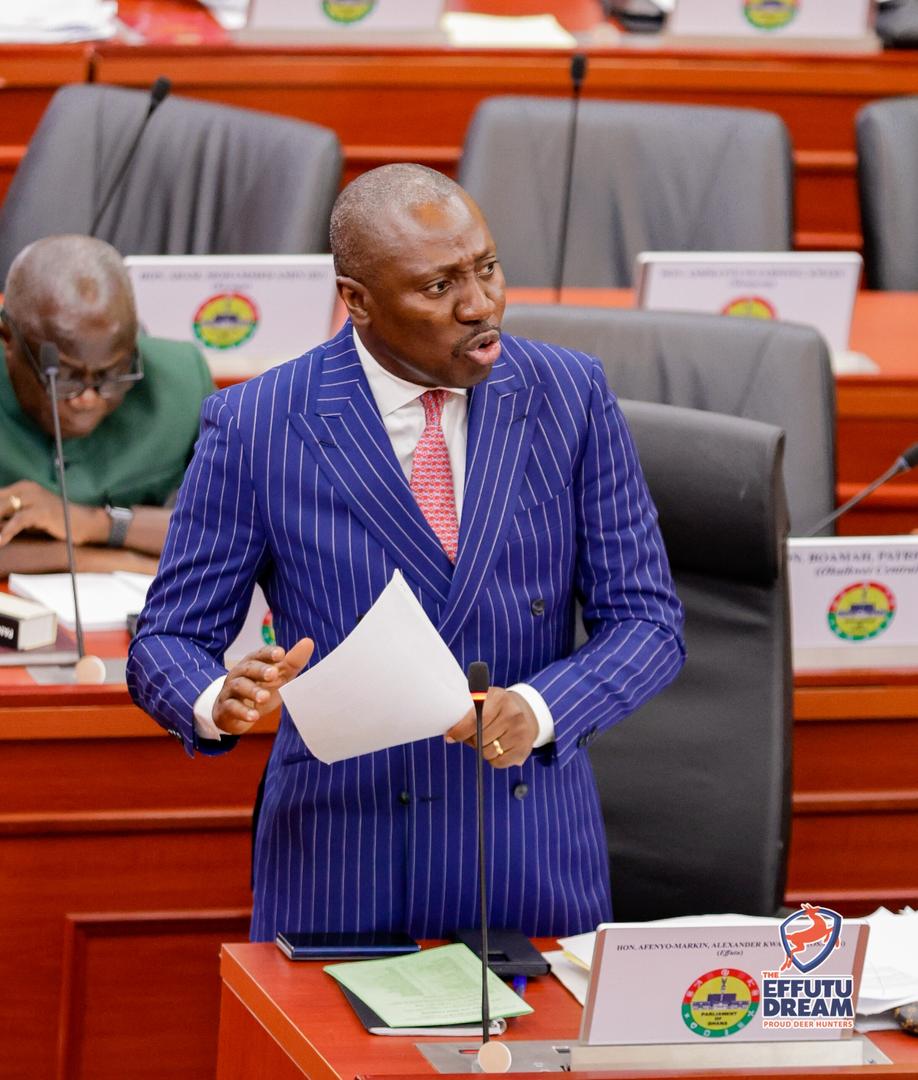
The Minority Leader in Parliament, Osahen Afenyo-Markin, has described the reduction in the producer price of cocoa as “shocking” and “illegal” and therefore demanded the immediate reversal to the status quo.
In a statement read in Parliament yesterday Tuesday February 17, 2026, Afenyo-Markin argued that the GH¢3,625 price announced at the start of the season in October 2025 is a Minimum Guaranteed Price. According to the Minority Leader, the cocoa calendar, which runs from October 1 to September 30, does not allow for a downward variation once the Producer Price Review Committee (PPRC) has set the rate based on achieved weighted averages.
“We are just midstream of the 2025/26 crop season, and Government cannot vary the Minimum Guaranteed Price to the disadvantage of the cocoa farmers,” the statement read. “Once the fob price sharing is done and announced, the producer price is binding on Government and COCOBOD. It can go up, but never down.”
The government recently slashed the prevailing producer price from GH¢3,625 per bag to GH¢2,587—a move the Minority describes as a calculated attempt to “shortchange” Ghana’s hardworking cocoa farmers mid-stream of the 2025/26 crop season.
Market Dynamics vs. Farmer Welfare
The Minority Leader’s intervention comes on the heels of the Finance Minister’s earlier announcement that COCOBOD had achieved an FOB price of US$7,200 per tonne. Afenyo-Markin insists that because these prices were “locked in” through aggregated contracts and forward sales, the government has no legal or moral grounds to slash the farmers’ take-home pay based on current market fluctuations.
Industry experts have already voiced concerns over the price cut, warning that the sudden drop will widen the price gap with neighboring Côte d’Ivoire and trigger a massive surge in cocoa smuggling across the borders.
Mounting Pressure
The demand for a reversal adds to the mounting pressure on COCOBOD, which is currently grappling with a liquidity crisis that has left thousands of farmers unpaid for months. While the government has cited a dip in international prices for the adjustment, the Minority insists the farmer should not bear the brunt of management inefficiencies.
“The farmer’s price is a debt of honor,” a source within the Minority caucus stated. “You don’t change the rules of the game when the match is halfway through.”
Comments are closed.