
Ghana, Denmark Deepen Energy Cooperation to Advance Green Transition
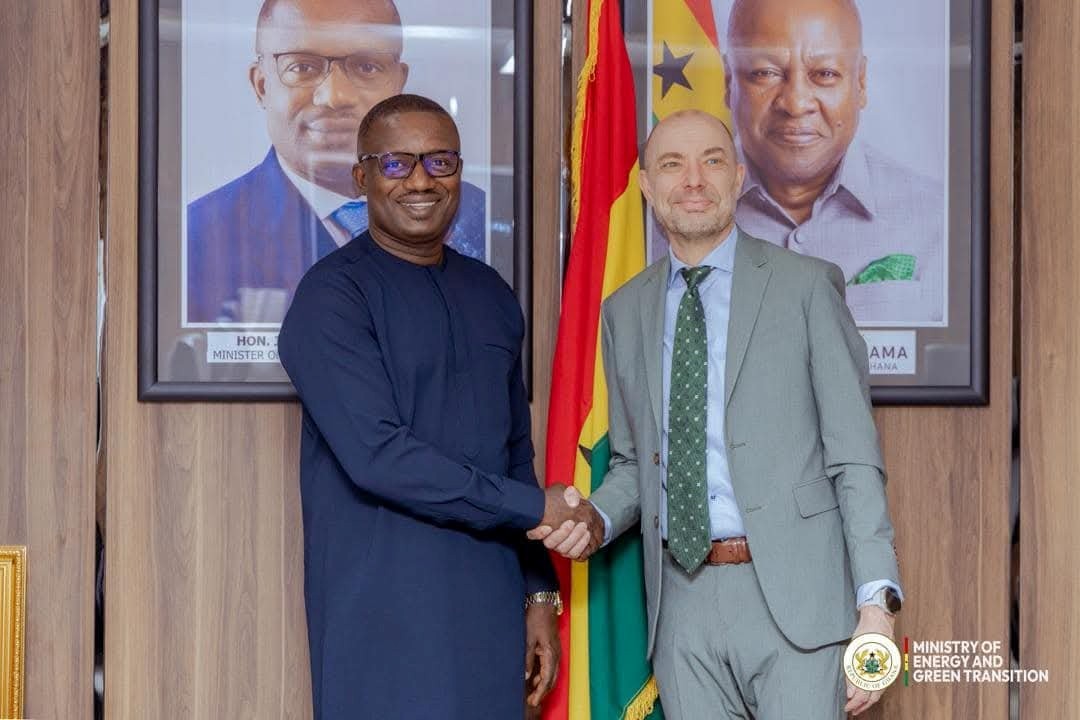
Ghana and Denmark have taken steps to deepen cooperation in the energy sector, with a renewed focus on renewable energy development and the country’s broader green transition agenda.
According to the Minister for Energy and Green Transition, Hon. John Abdulai Jinapor, the engagement explored strategic areas where both countries could collaborate to advance sustainable energy solutions, leveraging Denmark’s extensive experience in renewable energy deployment and policy development.
“I held discussions with Denmark’s Ambassador to Ghana, H.E. Jakos Linulf, on strategic areas of collaboration between Ghana and Denmark in the energy sector” Hon. John Abdulai Jinapor, Minister for Energy and Green Transition made it known.
A central focus of the meeting was how Ghana could benefit from Denmark’s globally recognised leadership in renewable energy, particularly in wind power, energy efficiency, and integrated energy planning.
Denmark has long been regarded as a pioneer in clean energy innovation, with decades of experience in building resilient and low-carbon energy systems.
He said, “Our engagement focused on exploring opportunities to leverage Denmark’s vast experience in renewable energy, particularly through the Danish Energy Agency, to support Ghana’s green transition agenda.”
He explained that Ghana is keen to draw on Denmark’s institutional knowledge, regulatory frameworks, and technical expertise as it works to scale up renewable energy generation and strengthen its energy governance structures.
The discussions also highlighted the importance of human capital development in driving a successful energy transition.
“Mr. Linulf reaffirmed Denmark’s interest in supporting Ghana through knowledge transfer and capacity building for sector experts and policymakers.”
Such support, the Minister explained, would help strengthen the technical and policy capabilities of Ghanaian institutions, ensuring that reforms and investments in the energy sector are underpinned by robust expertise.
Capacity building for regulators, utilities and policymakers is seen as critical to improving planning, project implementation and long-term sustainability.
During the engagement, Mr. Jinapor underscored the Government of Ghana’s firm commitment to expanding renewable energy as a core pillar of national development.
“I further emphasized the commitment of the Government of Ghana, under President John Dramani Mahama, to increasing the share of renewable energy in the country’s energy mix.”
Ghana’s renewable energy ambitions include scaling up solar, wind, biomass and other clean energy sources to complement existing hydropower and thermal generation.
Officials believe that a diversified energy mix will enhance energy security, reduce exposure to fossil fuel price volatility and contribute to emissions reduction.
Renewable Energy Market
The Energy Minister also highlighted Ghana’s policy reforms aimed at making the country an attractive destination for renewable energy investment. He noted that government is actively working to create a stable and transparent regulatory environment that encourages private sector participation.
“I also highlighted Ghana’s investor-friendly renewable energy policies aimed at attracting investment to accelerate our green transition efforts.”
These policies include streamlined licensing processes, competitive procurement frameworks and incentives designed to reduce project risk and improve bankability.
By attracting both domestic and international investors, Ghana hopes to mobilise the capital required to meet its renewable energy targets and support industrial growth.
Denmark’s engagement with Ghana reflects its broader commitment to supporting clean energy transitions in developing economies.
Through agencies such as the Danish Energy Agency, Denmark has partnered with several countries to share best practices in energy planning, regulation and technology deployment.
Energy sector observers say a strengthened Ghana–Denmark partnership could support the development of long-term energy strategies, grid integration of renewables and the adoption of innovative technologies that improve efficiency and reliability.
The discussions between Ghana and Denmark come at a time when Ghana is intensifying efforts to align its energy sector with global climate goals while meeting rising domestic demand. Collaboration with experienced partners such as Denmark is expected to play a key role in accelerating this transition.
Comments are closed.