
Ghana starts refining gold from February 2026
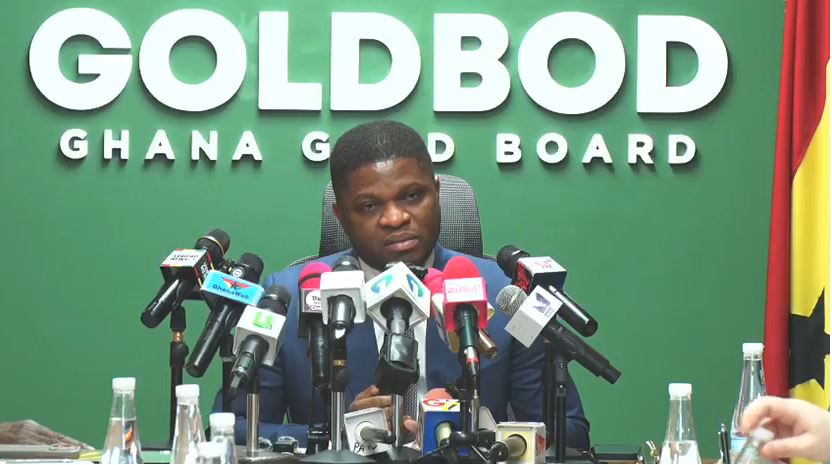
Beginning February 1, 2026, Ghana will start refining one metric tonne of its gold locally every week, marking a decisive shift from raw mineral exports to value-added gold exports, as the Ghana Gold Board signs a landmark agreement with Gold Coast Refinery Limited.
The move is aimed at boosting export value and retaining refining fees within the local economy.
Speaking at the signing ceremony on Tuesday, January 20, Chief Executive Officer of the Ghana Gold Board, Sammy Gyamfi, described the deal as a turning point in the management of Ghana’s gold resources.
“Today is a great day because… we will be executing a groundbreaking landmark agreement that will change the face of management of our gold resources, particularly in relation to value addition,” he said.
Under the agreement, up to 1,000 kilogrammes of gold exported by the Ghana Gold Board will be refined locally every week, with plans to scale up gradually toward total local refining.
Sammy Gyamfi said the policy direction was clear from the outset. “His [President John Mahama] instructions were very clear… to ensure that we move Ghana away from extraction to full-value optimisation, true value addition,” he noted.
The agreement also deepens Ghana’s stake in the gold value chain. It grants the Republic of Ghana a 15% free carried interest in Gold Coast Refinery, held by the Ghana Gold Board on behalf of the state.
Sammy Gyamfi stressed that the refinery is no longer just a service provider. “We are not some strangers who are going to be refining our gold at Gold Coast Refinery… that refinery is also ours,” he said.
He added that the decision followed the discovery that Ghana’s largest refinery was operating far below capacity, even as almost all gold exports left the country unrefined.
“99.9% of all the gold we export… is exported in this raw form,” he said, describing the situation as “very troubling.”
The refined gold will meet minimum purity levels of 99.5%, with capacity for higher international standards.
The partnership also brings in Rand Refinery, Africa’s only LBMA-accredited refinery, to strengthen technical capacity and support Ghana’s ambition to secure LBMA accreditation.
Beyond value addition, the agreement is expected to keep millions of dollars in refining fees within Ghana’s economy, support 24-hour refinery operations, create jobs, and generate additional tax and dividend income for the state.
Comments are closed.