
Jinapor Advances Steps to Ensure Reduction in Fuel Prices
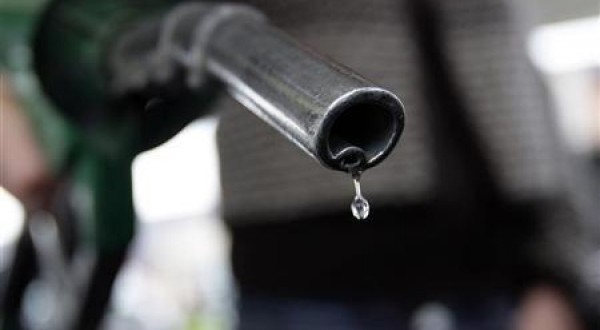
Minister of Energy and Green Transition, Hon. John Abdulai Jinapor, has initiated high-level consultations with key stakeholders in the downstream petroleum sector to facilitate a significant reduction in fuel prices for the upcoming pricing window.
This strategic move follows an explicit directive from Cabinet and is being executed in close partnership with the Ministry of Finance to alleviate the financial strain on Ghanaian citizens.
By focusing on the suspension of specific taxes and margins within the current petroleum pricing formula, the Ministry aims to provide immediate relief at the pumps.
“I engaged stakeholders of the downstream petroleum sector in collaboration with the Ministry of Finance and in line with Cabinet’s directive to ensure a reduction in fuel prices. This underscores Government’s continued commitment to prioritising the welfare and economic well-being of the people of Ghana” Jinapor made it known in a social media post.
The collaborative engagement serves as a direct response to the escalating costs of petrol and diesel, which have been exacerbated by global supply chain disruptions and geopolitical tensions in the Middle East.
During these sessions, Hon. Jinapor met with representatives from the National Petroleum Authority (NPA), the Chamber of Petroleum Consumers (COPEC), and various industry players to align on the technical implementation of the tax suspensions.
This proactive approach ensures that the “reduction in fuel prices” is not merely a policy goal but a practical reality that will reflect in the price boards across the country in the next window.
Strengthening
The decision to revisit the petroleum pricing structure highlights a pivotal shift in managing the downstream sector’s volatility.
By engaging directly with stakeholders, the Ministry of Energy and Green Transition is ensuring that the suspension of “selected taxes and margins” is handled with surgical precision to avoid disrupting the revenue targets of the Road Fund or the Energy Sector Levy Act (ESLA) unduly.
Some industry experts suggest that the targeted levies could include the Price Stabilization and Recovery Levy (PSRL) or the Unified Petroleum Price Fund (UPPF) margin, both of which play a role in the final ex-pump price.
Furthermore, these steps are seen as a necessary “cushion for the ordinary Ghanaian” who has faced a sharp increase in transportation costs.
The Minister’s focus on green transition alongside energy security suggests that while immediate relief is a priority, the government is also looking at long-term stability in energy costs.
The move has been widely welcomed by transport unions and the business community, who view the reduction as a vital intervention to curb inflationary pressures on goods and services.
For the average consumer, the abolition or suspension of these fuel levies translates directly into increased disposable income and lower operational costs for small businesses.
When fuel prices drop, the ripple effect is felt across the entire economy, particularly in the food and transport sectors where fuel is a primary input cost.
“The intervention is a timely shield against the global oil crisis,” noted a source close to the Ministry, emphasizing that the government is willing to forego certain revenues to protect the “economic well-being of the people.”
The stakeholder engagement also ensures that the price cuts are passed down fully to the consumer without being absorbed by middlemen or marketing firms.
By setting clear parameters for the next pricing window, Hon. Jinapor is creating a predictable environment for both households and investors.
This level of transparency is essential for maintaining public trust while navigating the complexities of international oil market fluctuations that often dictate local pump prices.
The “Government’s continued commitment” to prioritizing welfare is reflected in the delicate balance struck between fiscal discipline and social intervention.
While the Ministry of Finance oversees the budgetary implications of suspending these taxes, the Energy Ministry ensures the technical feasibility within the downstream supply chain.
Comments are closed.