
Mahama Summons Emergency Meeting Over Cocoa Wahala
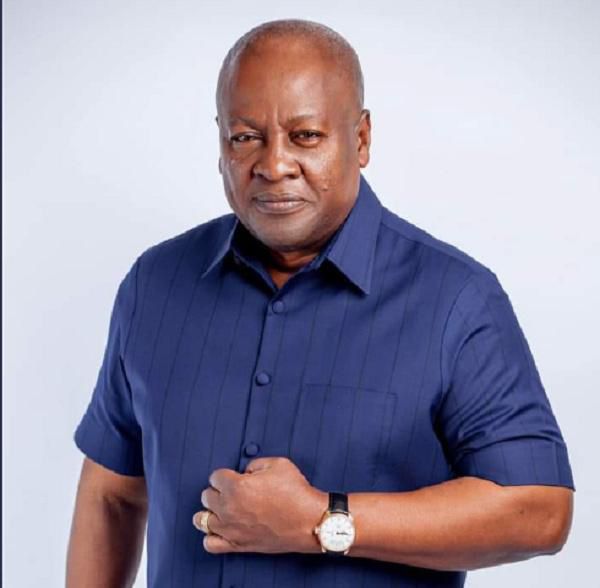
President John Dramani Mahama has summoned Cabinet to an emergency meeting today Wednesday, February 11, 2026, to address the mounting challenges in Ghana’s cocoa sector.
“President Mahama has called an EMERGENCY CABINET SESSION for tomorrow, Wednesday, 11th February, 2026, to address all issues affecting the Cocoa sector,” this announcement was made by the Minister of State in charge of Government Communications, Felix Kwakye Ofosu, in an official Facebook post, dated February, 10, 2026.
The emergency meeting comes as the sector faces payment delays, unsold cocoa beans, and financial strains at the Ghana Cocoa Board (COCOBOD), raising concerns about the stability of one of Ghana’s most important industries.
Prior to the said directive, the Chief Executive Officer of COCOBOD, Randy Abbey, during a press conference at Cocoa House in Accra on Friday, February 6, 2026, stated that the cocoa market is facing serious disruptions.
This season, COCOBOD has sold over 530,000 tonnes of cocoa. But about 50,000 tonnes remain unsold and in the hands of farmers. For these farmers, the unsold cocoa is more than just a crop, it represents food, school fees, and hope for their families.
Mr Abbey explained that “the situation is where we have beans, but they are not buying; the beans are too expensive.” He attributed the problem to Ghana’s non-competitive farm gate price, which makes it difficult for buyers to purchase the cocoa.
“Cocoa farmers deserve an apology,” Mr Abbey said, adding that COCOBOD, the Ministry of Finance, and the government are working to address the delayed payments. Yet, for those who plant, harvest, and transport the beans, the waiting is painful.
Industry sources say thousands of farmers have experienced delays in receiving payments for cocoa delivered since November 2025. The Minority Caucus in Parliament has also reported that COCOBOD owes Licensed Buying Companies more than GH¢10 billion for cocoa already delivered.
The difficulties are partly linked to conditions in the global cocoa market. Ghana currently pays farmers about GH¢58,000 per tonne, while world prices were around $4,200 per tonne as of February 6, 2026, representing a 57 per cent decline from the same period last year. Ghana’s total production and export costs stand at approximately $6,300 per tonne.
Over recent seasons, Ghana’s cocoa financing system has changed. The traditional syndicated loan arrangement was not available for the 2024/2025 season, leading to alternative financing models. These included a 60:40 arrangements in previous seasons and an 80:20 model for the current season. The Cabinet meeting is expected to consider payment options, review pricing arrangements, and explore longer-term financing measures for the sector.
International buyers are reportedly turning away from Ghana’s cocoa because of higher prices compared to other producing countries. Mr Abbey explained that Ghana’s pricing model guarantees farmers a relatively high return. Farmers are currently paid $5,040 per tonne, about 70 per cent of the Free on Board (FOB) price, a figure set when global cocoa prices were stronger, averaging around $7,200 per tonne.
However, market conditions have shifted, with global prices dropping to between $4,100 and $4,400 per tonne, while Ghana’s total cost, including haulage, grading, warehousing, and shipping, remains about $6,300 per tonne. This has created a significant price gap between Ghana’s cocoa and beans from competitors such as Côte d’Ivoire, Nigeria, Ecuador, and Brazil.
Cocoa remains a major contributor to Ghana’s economy, providing employment and income for thousands of farmers. With urgent intervention, the government hopes to prevent further disruption and restore confidence among international buyers and local stakeholders.
Comments are closed.