
Pressure mounts on gov’t to direct TOR Levy Funds toward refinery revamp
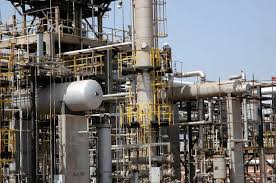
Pressure is mounting on government to channel part of proceeds from the Tema Oil Refinery Recovery Levy into retooling and supporting the refinery as plans to revive the facility gather momentum.
TOR’s long-delayed turnaround has in recent months shown signs of progress after years of operating far below capacity, leaving the country reliant on imported refined products.
The call underscores growing industry expectations that a successful revamp of the Tema Oil Refinery (TOR) could strengthen the downstream petroleum sector.
Executive Secretary of the Chamber of Petroleum Consumers, Duncan Amoah in an interview with Citi Business News said sustained investment will be critical to ensuring the refinery can operate efficiently and meet long-term market needs once it resumes full activity.
“TOR would need investment. So whatever they do there today, if we don’t pump in the appropriate investment, we would simply be waiting on them to fail so that we come back to blame them. You cannot finance cargoes with TOR books currently. They are in huge deficits or debts.
“We would expect that the TOR recovery levy that we have collected over the years, the finance ministry will be magnanimous to apply part of it to their operations, retool them, get them some $80 million revolving funds so that at least they are assured of bringing in at least two, three cargoes so as to sustain their operations. If we don’t give them an opportunity to finance, I mean, their refining activities, we will simply be waiting on them to do whatever they can do for two, three months and the plant will go down again and then we will spend money again to maintain and then bring it back on. I think that the finance ministry, the energy ministry should take it very seriously because we are all watching,” Duncan Amoah stated.
He has also called for policy reforms that would guarantee a consistent allocation of domestically produced crude oil to the Tema Oil Refinery for processing.
“You cannot continue to produce oil and then ship everything out of your country only to go and bring back refined products from Europe. It’s not good enough. So petroleum agreements, I agree. We need to be very strategic with them as a country. Don’t sign off everything because somebody is bringing in an investment and say that they do their liftings and when it’s your lifting, they also do it and bring you money when your hydrocarbons can equally be processed down here. But again, it will boil down to what kind of strategy we have for the refinery. If it is our thinking that we want the refinery to sustain itself, then we would also find the need to provide them sustainable crude cargoes so that they can at least keep in operation,” Duncan Amoah added.
Source: Citi Business News
Comments are closed.