
Return Radio Drama – Actor Fred Amugi
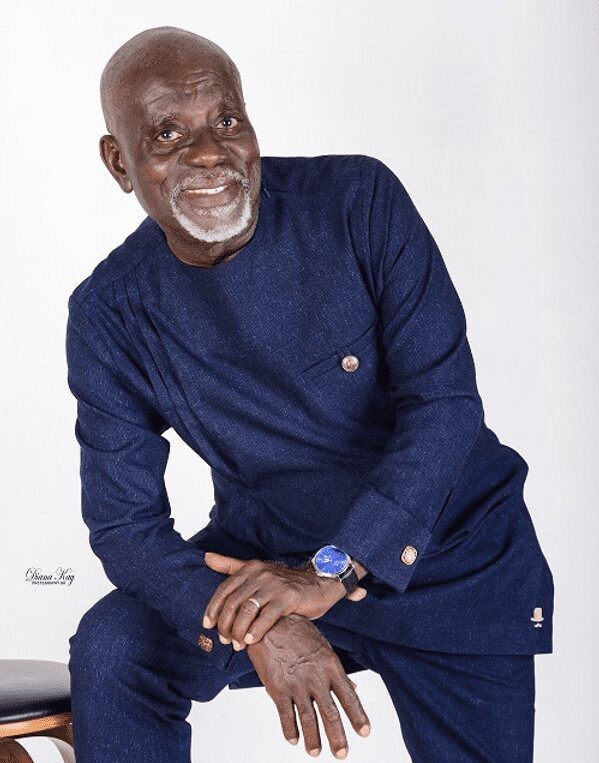
Veteran Ghanaian actor Fred Amugi has called for a renewed commitment to radio drama, describing it as one of the most influential and unifying cultural platforms in Ghana’s history.
The respected actor reflected on a time when radio drama shaped public thought, educated listeners, and preserved Ghanaian values across generations.
According to him, the decline of radio drama represents not just the loss of entertainment, but the fading of an important cultural institution.
Radio drama, he noted, played a central role in national life long before television became widespread. For decades, it served as the primary medium through which stories were told, lessons were shared, and communities connected through sound and imagination.
From the 1950s through the 1980s and into the 1990s, radio occupied a special place in Ghanaian households. Families gathered around radio sets in the evenings to follow serialized dramas that combined compelling storytelling with moral lessons and social commentary.
These productions addressed everyday challenges such as family relations, honesty, communal responsibility, and leadership, making them deeply relatable to listeners.
Mr Amugi explained that radio drama was not merely entertainment. It was a shared social experience that encouraged discussion and reflection. In both urban centers and rural communities, radio dramas became part of daily life, fostering a sense of belonging and collective identity among listeners.
One of the strengths of radio drama, according to the veteran actor, was its accessibility. Productions were performed in English as well as various local languages, allowing them to reach a broad audience across the country.
This multilingual approach ensured that people from different backgrounds could see themselves reflected in the stories being told.
Radio drama also bridged the gap between urban and rural communities. While television ownership was limited in many areas, radio signals traveled far and wide, bringing stories to listeners who might otherwise have been excluded from mainstream cultural content. This inclusiveness made radio drama a powerful tool for national cohesion.
Contrary to the perception that radio drama belongs to the past, Mr Amugi insisted that the format remains relevant in today’s media landscape. He described radio drama as one of the most cost effective and inclusive storytelling platforms available.
Unlike film and television, radio drama requires fewer resources, yet it has the ability to stimulate imagination and emotional engagement in a way that visual media sometimes cannot.
He argued that the rise of digital media does not make radio drama outdated. Instead, it presents new opportunities for adaptation and distribution. With the right investment and creative direction, radio drama can thrive alongside podcasts, streaming platforms, and community radio stations.
A key concern raised by Mr Amugi was the gradual erosion of Ghanaian languages, folklore, and oral traditions. He believes radio drama can play a critical role in reversing this trend.
By telling stories rooted in local cultures and traditions, radio drama can help preserve indigenous knowledge while passing it on to younger generations.
He emphasized that storytelling has always been central to Ghanaian society. Radio drama, in his view, is a modern extension of the oral storytelling tradition that once took place in courtyards and village squares. Reviving it would mean safeguarding cultural values while adapting them to contemporary realities.
Using the platform of the discussion, Mr Amugi urged broadcasters, producers, cultural institutions, and policymakers to take deliberate steps toward reviving radio drama.
He called for renewed investment in script development, actor training, and production support to ensure high quality content.
He also encouraged media houses to adapt radio drama to modern themes without losing its strong storytelling foundation. Issues such as youth unemployment, technology, migration, and social change, he suggested, could be explored through radio drama in ways that resonate with today’s audiences.
As Ghana continues to evolve, he believes radio drama can once again become a platform that educates, entertains, and inspires. With renewed commitment from stakeholders, radio drama could return as a vibrant force in shaping national identity and keeping Ghanaian stories alive for generations to come.
Comments are closed.