
Stop Your PR Gimmicks & Get To Work – Oppong Nkrumah Tells Gov’t
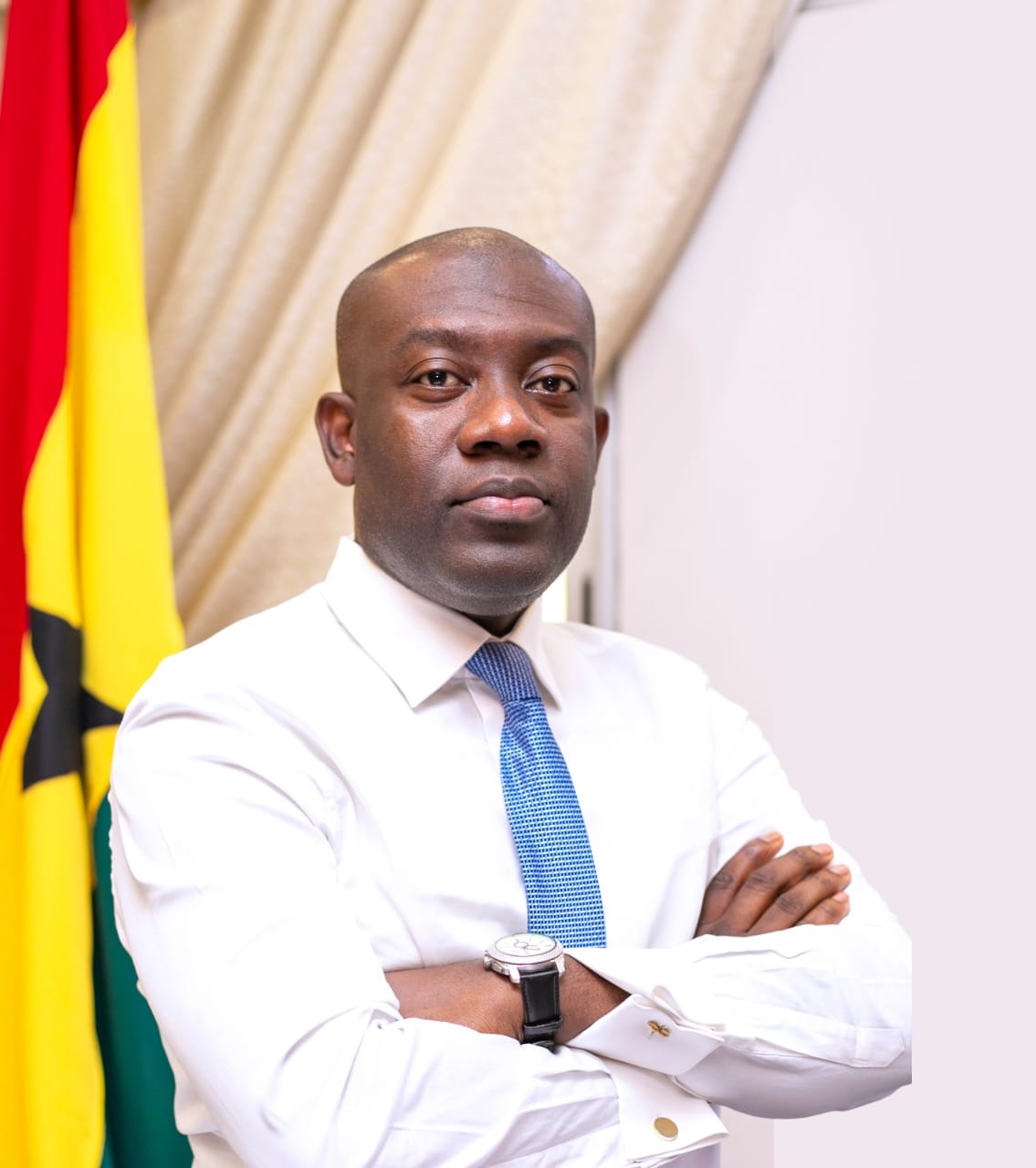
Kojo Oppong Nkrumah, the Minority Spokesperson on Parliament’s Economy and Development Committee, has accused the governing National Democratic Congress (NDC) of focusing its priority on “public relations politics” instead of substantive policy direction, structural problem-solving and actual economic reforms.
Oppong Nkrumah, MP for Ofoase-Ayirebi, insists that though major government initiatives are mostly announced with strong publicity, the initiatives have weak implementation frameworks, leaving ordinary Ghanaians with policy slogans instead of tangible improvements in livelihoods.
He noted that relying on high-decibel publicity gimmicks rather than solving structural issues — such as liquidity shortages, youth unemployment, and production capacity — risks deepening frustration among the rural and young voters who brought the NDC to power.
Speaking on a broad range of issues, Oppong Nkrumah mentioned government’s flagship “24-Hour Economy” initiative as one of the several examples where the focus has remained more on the optics rather than real job creation.
He argues that contents of the recently passed 24-Hour Economy Authority Bill, 2025 shows that the new law is a “symbolic institution” devoid of enforceable provisions.
In an interview on TV3 Ghana’s Hot Issues, Oppong Nkrumah claimed the legislative framework of the 24-Hour Economy Authority Bill, 2025 fails to mandate 24-hour operations for public or private institutions and also does not provide a clear operational roadmap for the “1-3-3” shift model promised by the NDC during the 2024.
He said the 24-Hour Economy Authority Bill, 2025 ought to have offered more than a mere catchy “policy slogans” to the youth who are actually expecting mass job creation based on what was promised them.
Oppong Nkrumah, in the same interview, placed the cocoa sector at the centre of his critique, describing it as a symbol of deeper fiscal and governance problems within the current administration.
He said Ghana Cocoa Board (COCOBOD) currently owes Licensed Buying Companies (LBCs) an estimated GH¢10 billion for beans supplied between November 2025 and February 2026.
This debt, Oppong Nkrumah noted, directly impacts approximately one million farmers who are awaiting payment at an average price of GH¢3,625 per bag. While COCOBOD recently disbursed roughly GH¢1.091 billion, the Ranking Member dismissed the payment as “a drop in the ocean.”
“Long-term reforms and new policy announcements ring hollow while existing financial obligations to farmers remain unpaid,” he stated, warning that the liquidity crunch in the sector is a symptom of broader fiscal mismanagement.
Oppong Nkrumah suggested that national conversation on the economy, the 2026 Budget, and the cocoa sector had become deeply polarised, with the governing party more focused on political confrontation than policy learning.
“Due to the partisan nature of politics, the NDC is more interested in debating us than listening to our confessed mistakes,” he said, adding that the opposition New Patriotic Party (NPP) had openly acknowledged its past governance failures as part of a broader effort to prevent the current government from repeating similar errors.
Comments are closed.