
THE UNTOLD STORIES OF GHANA Iqra! The Command to Write, The Duty to Question
“Iqra.” An Arabic word meaning read or recite. Islamic tradition records it as the first command revealed to the Prophet Muhammad (peace and blessings be upon him). “Read in the name of your Lord who created.” Qur’an 96:1 The instruction was simple yet revolutionary: seek knowledge, preserve it, understand it.
The Qur’an goes further, encouraging verification and consultation with earlier custodians of revelation: “If you are in doubt about what We have revealed to you, then ask those who have been reading the Scripture before you.” Qur’an 10:94
Centuries before Prophet Muhammad (PUBH) or Jesus Christ preached God’s message, and generations of followers documented their teachings, Moses is credited with the Torah; prophets and scribes committed divine encounters to writing so posterity would remember. The pattern is clear: writing is central to how humanity gets to know truth.
Then came a political giant of the twentieth century Osagyefo Dr Kwame Nkrumah, the liberator who led the Gold Coast to independence. Like leaders and visionaries before him, Nkrumah wrote extensively, leaving for posterity several books, speeches, and philosophical works that now serve as a guide sort of
More than sixty years later, these writings remain powerful. They are quoted with reverence. For many, Nkrumah has become larger than history, almost sacred.
But scripture itself warns against blind acceptance. Jesus challenged his listeners: “You study the Scriptures diligently because you think that in them you have eternal life. These are the very Scriptures that testify about me.” John 5:39
Even the history of the Bible itself supports revision and re-examination. In the preface to the Revised Standard Version, the translators explained that advances in manuscript discovery had uncovered numerous problems in the texts used for the King James Version. They acknowledged that these issues were significant enough to require correction and updating so readers could come closer to the earliest attainable meaning. Think about that.
A community of faith, examined a revered translation and still said: ‘We must review it again in light of better evidence.’ If that is acceptable for sacred literature, why should it be forbidden in national history? Why should raising questions about Nkrumah style of governance and written history about him provoke outrage?
Why must inquiry be treated as rebellion? It is striking that many who resist examination are themselves religious people, yet their own holy books command them to test, compare, and verify. If faith traditions demand critical engagement, how can history demand silence?
If writing is sacred, then examining what is written is equally sacred. Nations mature when they understand their heroes in their full complexity, embracing both their brilliance and their blemishes. The generation coming after us deserves history that is neither worship nor warfare, but wisdom.
If there were errors, they must be acknowledged so they are not repeated. If there were triumphs, they must be measured truthfully so they can be built upon. As Christ said: “You shall know the truth, and the truth shall make you free.” John 8:32
To learn is to verify. And so, in the spirit of Iqra, we return to the essential, perhaps uncomfortable, but entirely legitimate question
Who is Osagyefo Dr Kwame Nkrumah? The answer cannot live in slogans. It must rise from evidence, study, and honest debate.
History is not protected by fear. It is strengthened by truth.
I rest my case
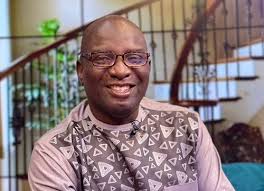
EDITOR’S NOTE: The author, Socrate Safo, is a renowned Ghanaian Film Maker and culture advocate. He worked as Director for Creative Arts at the National Commission on Culture.
Comments are closed.